FYXFER®CNC
CUTTING

Plasma · Oxy-fuel · Waterjet

CNC cutting.
Start with the part.

Bring the material, drawing and edge you need. Explore portable, table and gantry equipment for plasma or oxy-fuel cutting, or review the FY-WJ01 waterjet platform for your application.

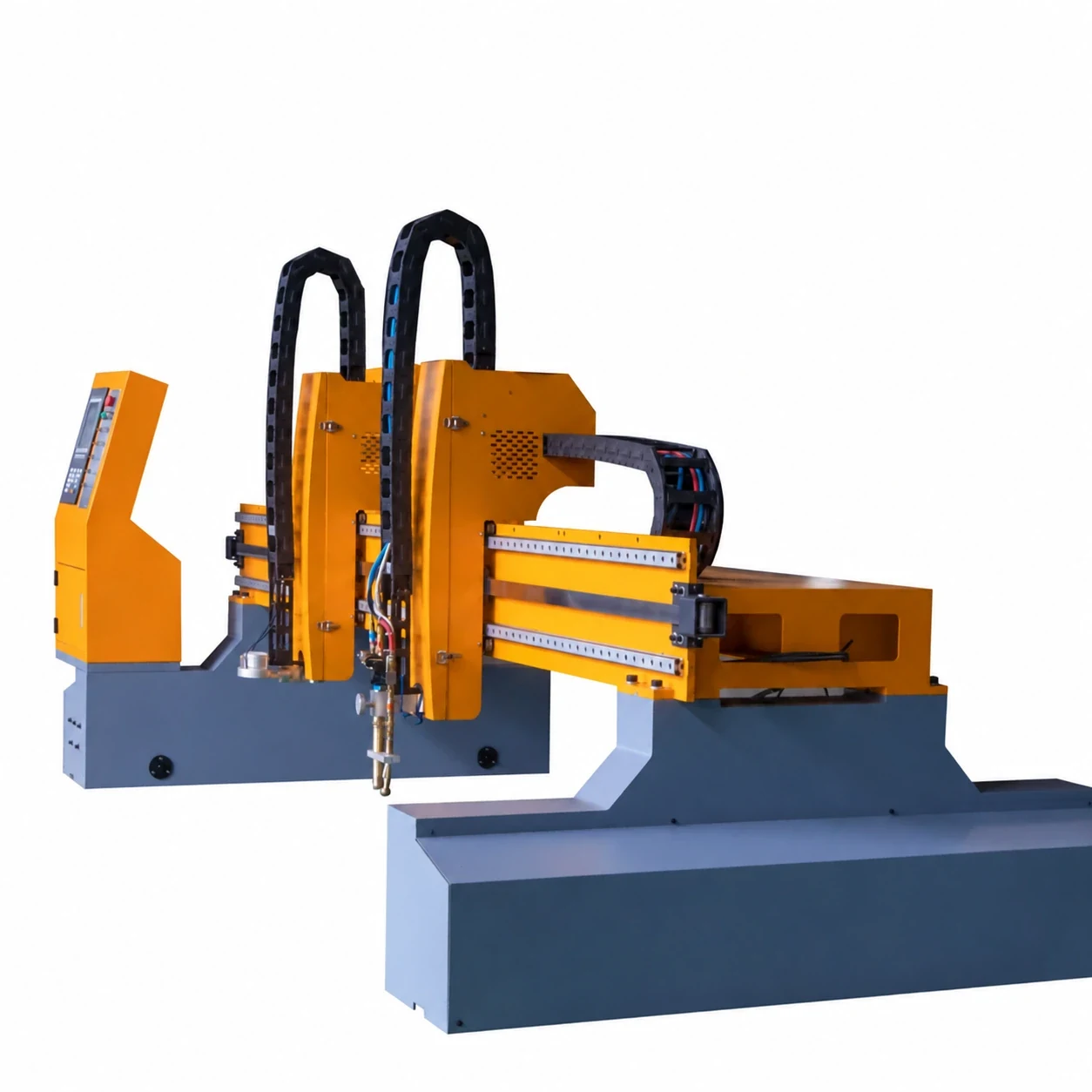
FY-GCM01 gantry CNC plasma and oxy-fuel cutting platform
FY-GCM01 reference product configuration. Confirm the rails, torch package, power source and included equipment in the quotation.

01 / Choose the process

The job comes first.
The equipment follows.

Compare the cutting process, workpiece handling and workshop layout together. The machine format alone does not establish cutting performance.

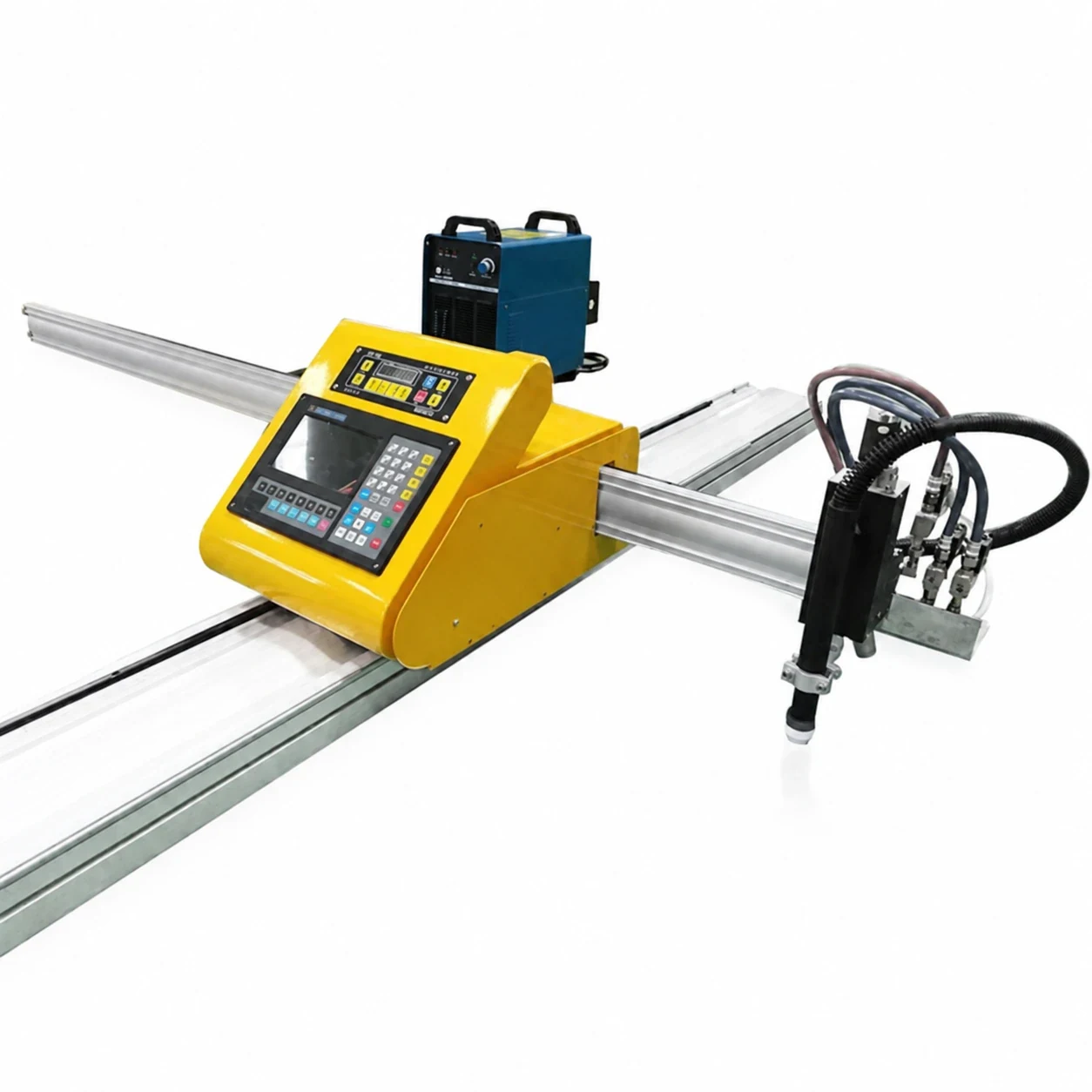
FY-PCM01 portable CNC cutter with control unit and torch carriage
FY-PCM01 portable format. Tracks, plate supports and supplied equipment are agreed for the project.

Portable · Table · Gantry

Plasma and oxy-fuel cutting machines

Compare FY-PCM01, FY-TCM01 and FY-GCM01. Specify the process separately from the machine layout, then review the cutting area, source, torch package and site requirements.

Compare the three formats ↗
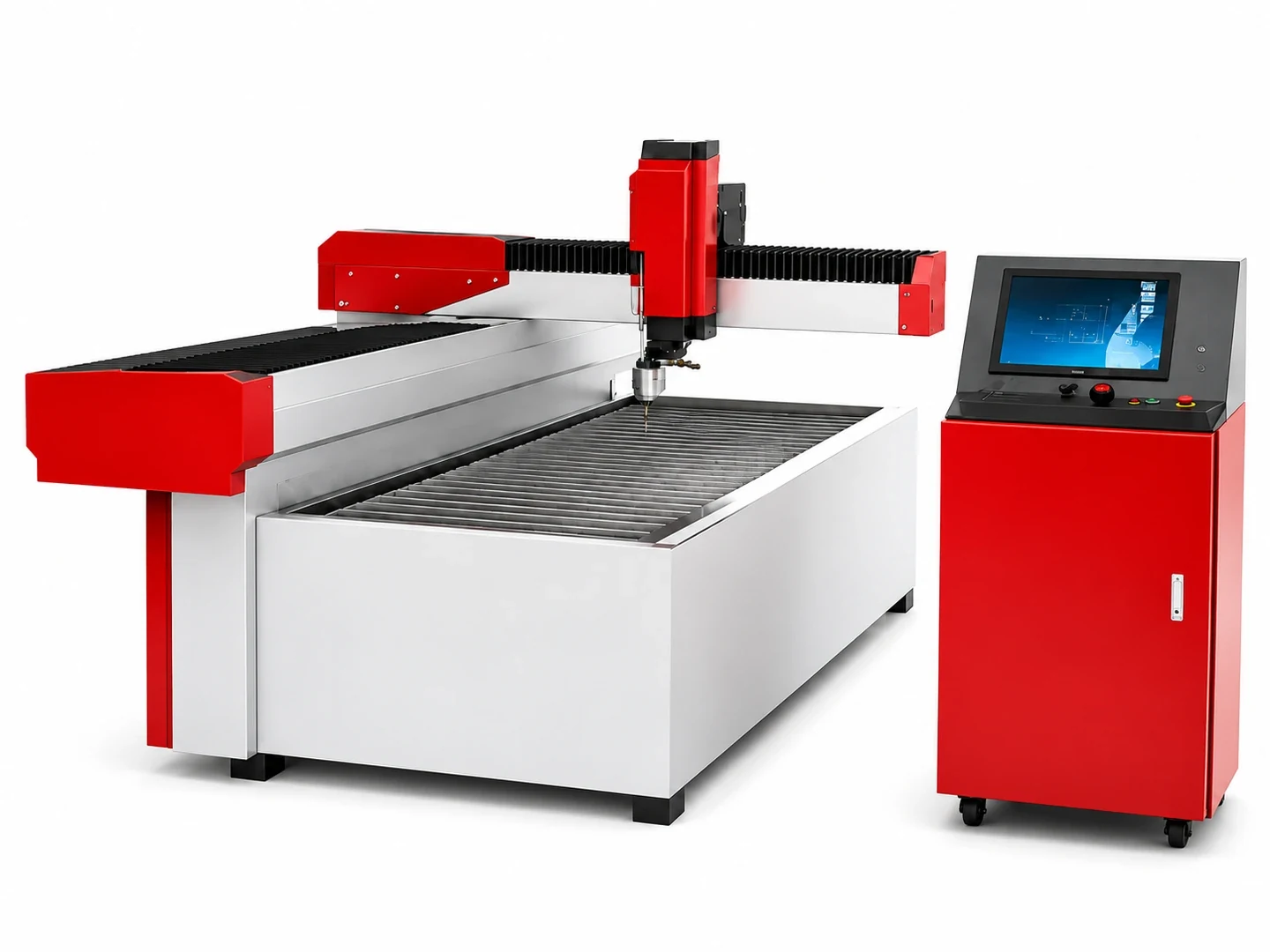
FY-WJ01 cantilever waterjet table and separate CNC console; product visualization
FY-WJ01 product visualization based on the catalogue reference. The image explains the layout.

FY-WJ01 / Waterjet

A cutting setup defined by your material.

Explore a cantilever cutting table with slat workpiece support and a separate CNC console. Review material, geometry and edge requirements before specifying the pump, cutting head and any abrasive-feed arrangement.

Review FY-WJ01 ↗

02 / Prepare the discussion

A clear cutting brief.
A useful quotation.

Confirm the proposed equipment and supply scope against your application. Agree sample conditions and acceptance criteria before treating a quoted capacity or cycle time as a production commitment.

  1. The materialGrade, typical production thickness, occasional maximum thickness and stock dimensions.
  2. The partDrawing, smallest features, edge-quality expectations and any later production steps.
  3. The workflowLoading method, expected output, available space and existing equipment.
  4. The siteElectricity, air or gas where applicable, water arrangements and installation responsibilities.